The Rise of Western Fashion in Mpumalanga’s Capital
Understanding the Local Demand for Western Headwear
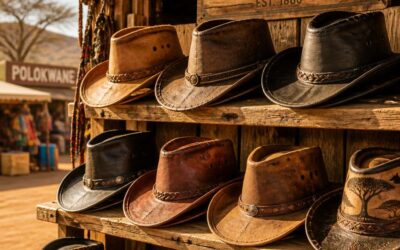
In Mbombela, the brim has quietly dethroned the beanie as the weekend uniform of choice. The rise of Western fashion in this capital is not a passing nod to Americana; it is a deliberate, sun-smart rebellion. Local demand for western headwear has climbed steadily, and cowboy hats Mbombela now sit proudly on heads from Riverside to the taxi rank. The appeal is practical and theatrical at once.
- They block the Lowveld glare with stubborn elegance.
- They signal allegiance to country music and slow braais.
- They offer instant authority when debating load shedding.
What began as a tourist souvenir has morphed into a marker of local identity. The hat does the talking, and Mbombela is happy to let it.
How Nelspruit’s Culture Influences Hat Styles
In the old Nelspruit, a hat was a farmer’s prop. Today, cowboy hats Mbombela have become the capital’s signature, worn by shop owners and poets alike. The rise of western fashion here responds to the Lowveld’s unrelenting light.
Local culture dictates the details. Straw hats dominate for their cooling weave, while felt finds its place during winter evenings. Artisans in the city now hand stitch bands using patterns drawn from nearby Ndebele villages.
- Wide brims for the glare off the Crocodile River.
- Crowns reinforced for the bump of a taxi ride.
- Leather straps that age like the red earth.
Nelspruit’s spirit, pragmatic and proud, shapes every curve. The result is a hat that belongs to this city alone.
Seasonal Considerations for Hat Shoppers in the Lowveld
The Lowveld’s seasons dictate the rhythm of hat buying in Mbombela. Summer brings heat, so lightweight straw becomes the practical choice for outdoor traders. Winter evenings drop sharply, and felt cowboy hats Mbombela shoppers buy during autumn serve warmth and style.
Western fashion’s rise here follows a clear path. Boutiques along the main streets now stock world-class options, and weekend gear includes boots, denim jackets, and the centrepiece hat. I have watched young professionals swap corporate caps for western wear with genuine enthusiasm.
For shoppers planning a purchase, timing matters:
– October to March: choose straw for breathability
– April to September: opt for felt to handle the cold
– Year round: select a waterproof finish for Lowveld storms
The evening chill demands a heavier crown, midday glare a wider brim. The result is a wardrobe of cowboy hats Mbombela residents wear with pride!
A Shopper’s Guide to Finding Quality Western Hats
Specialty Stores vs. Online Retailers in the Region
Nothing reveals character quite like the moment a shopper catches their reflection in a specialty store mirror. The ritual of purchasing cowboy hats Mbombela demands patience, particularly when the Lowveld sun beats down on the pavement outside. Online retailers offer convenience, but they cannot replicate the feeling of a proprietorial eye assessing your posture as you tilt the brim. I have watched first timers adjust their stance nervously under that gaze!
Specialty stores in the region carry a curated selection, and the proprietors remember returning customers by name. Their advice on crown shaping and brim width comes from years of observation. Online options occasionally surprise with rare finds, yet the fit remains a gamble.
- Specialty stores allow immediate fitting and adjustment.
- Online retailers provide access to international brands.
The discerning buyer weighs both options carefully. In Mbombela, the serious collector understands that a hat bought blindly rarely earns compliments.
Key Features to Inspect Before Purchasing
Think of a hat as an investment in your own silhouette. The difference between a good hat and a great one is rarely visible from across the street. Up close, the quality reveals itself in the details you can feel. Before you hand over your money for cowboy hats Mbombela, you must put the piece through a physical examination.
The integrity of the felt or straw matters more than the label on the inside. Run your fingers across the surface. A dense, smooth finish indicates a hat that will hold its shape against the Lowveld humidity. A flimsy weave or a nappy felt will sag after a single afternoon in the sun. Turn the hat over and inspect the sweatband. Genuine leather will conform to your forehead. You will find that synthetic alternatives cause you to wipe your brow constantly.
Here is a short checklist to guide your inspection:
– Check the stitching on the brim edge. It should be tight and uniform, without loose threads.
– Gently bend the brim. It should flex and return to its original shape without creasing.
– Look inside the crown for a label that specifies the material. Suedey felt is softer but less durable than a tight wool blend.
– Feel the weight. A heavier hat is not always better, but a paper-light one is likely a cheap novelty.
The final test is the crease. A quality hat takes a new crease without leaving stress marks on the outer surface. Place your thumbs inside the crown and push out. The structure should resist your pressure, not collapse. Brim shaping is the same. A stubborn brim that fights you is a sign of a stiff, inferior product. A floppy one that has no resistance at all will never hold a curve.
Buying a hat in Mbombela means you do not have to settle for tourist trinkets. The serious stock is out there. You just need to look past the shiny buckles and focus on the construction. When you find one that passes these tests, wear it with confidence. It will serve you for years, not just for a single photograph.
Price Ranges and Budgeting for Authentic Pieces
A handcrafted western hat in Mbombela can cost anywhere from R800 to over R4,000, roughly the same range as a good pair of leather boots. But that price tag tells you little about the hat’s soul. The true value lives in the density of the felt, the suppleness of the leather band, and the hours of labour pressed into the crease. In the Lowveld, where the sun and humidity wage a daily war on headwear, a cheap hat fails within months. An authentic piece, however, becomes a companion that ages alongside you, its colour deepening with each season.Here is a simple guide to what your budget will buy:
– Entry level (R800 to R1,200): Machine made, decent wool blends, suitable for occasional wear.
– Mid range (R1,300 to R2,200): Hand creased fur felt, leather sweatbands, holds shape in heat.
– Premium (R2,300 and up): Pure beaver or hare felt, custom shaping, heirloom quality.
The secret is to buy the best felt your pocket allows, then wear it without mercy. A pristine hat is a wasted one. The extravagant price of a premium piece is an investment in daily utility, not display. When the Mbombela afternoon heat presses down on you, the difference between a stiff, synthetic shell and a breathable, pliable felt becomes immediately obvious. You will feel it in the absence of a headache at sunset.
Comparing Traditional Felt vs. Straw Hats
The Mbombela sun does not negotiate, and the choice between felt and straw for your cowboy hats Mbombela is a matter of strategy, not just style. Straw, particularly from fine shantung or palm, offers superior ventilation for the sweltering Lowveld humidity. The loose weave allows for constant airflow, preventing that clammy heat from pooling under the crown. However, straw lacks the structural resilience to withstand a sudden downpour or the abrasive scrub of bushveld branches.
Felt, in contrast, is a shield. A dense fur felt, even a lighter weight, will deflect the harsh UV rays while remaining breathable. It holds its crease through sweat and stress, and its durability means it will not crack or discolour like a fragile straw weave. Consider your environment:
– Choose straw for market days, river picnics, and long walks where airflow is your primary defence.
– Choose felt for daily commutes, outdoor work, and evenings when the temperature drops and you need insulation.
A serious buyer in the region often owns one of each, but if you must select a single workhorse, the felt gives you greater versatility across the unpredictable seasons. The initial weight of the felt is a small price for the years of service it provides.
Styles and Trends Dominating the Local Scene
Classic Cattleman vs. Modern Derby Designs
Seventy percent of hat buyers in Mbombela now request alterations before leaving the store. That statistic from local milliners underscores a shift. The Classic Cattleman remains steadfast, its crisp center crease and flat brim built for unrelenting Lowveld sun. But the Modern Derby, with its rounded crown and gentle upward snap, is gaining ground among younger professionals.
The divergence comes down to context. A Cattleman signals working heritage. A Derby leans toward urban polish. Cowboy hats Mbombela shoppers choose often reflect their daily commute, from cattle pens to coffee shops.
Some craftsmen now mix elements, placing a Derby’s taper on a Cattleman’s brim, a practice that feels almost subversive. It speaks to a region where function and fashion coexist without conflict.
Popular Colors and Finishes Among Locals
Cobalt blue is currently outselling black two to one at local outfitters. That single data point tells you everything about how cowboy hats Mbombela residents choose to express themselves. The shade borrows from the Kruger sky at dusk and photographs well against the region’s red earth.
The hybrid crown, which we touched on earlier, pairs most often with a pecan or tobacco finish. These earthy tones hide the fine Lowveld dust between cleanings. Some locals opt for a rough-out suede texture, which catches the light differently than smooth felt. The trade-off involves maintenance, but the visual payoff is substantial.
Around town, the most requested details follow a clear pattern:
1. A rolled pencil brim for a quieter profile
2. A leather band with a single row of stitching
3. A subtle lizard print stamp on the crown crease
4. A darker underbrim for contrast against the sun
Straw hats here lean toward a natural wheat color with a woven crown that allows airflow. The felt crowd, even in summer, prefers a mid-grey that reads as formal without showing sweat marks. The result is a crowd that looks intentional, yet never overdressed. That balance defines the local identity.
Custom Hat Bands and Personalization Options
Every third custom order for cowboy hats Mbombela now includes a request for personalisation. The standard off the shelf hat no longer satisfies the local appetite for distinction. Shoppers in the Lowveld are treating the crown and brim as a canvas for identity, not merely an accessory for sun protection. The shift is visible in the details. A hand tooled band with a geometric motif sells faster than a plain leather strap. Initials stamped into the inner sweatband have become commonplace. The result is a wardrobe piece that speaks with a quiet, specific voice.
This movement toward custom work changes how the hats are worn. A hat with a braided horsehair band, for instance, carries a different weight than a factory model. It signals a deliberate choice. To meet this demand, retailers now offer a menu of options that did not exist a few seasons ago. The most popular customisations include:
– A hand braided band made from local leather offcuts
– A concho or medallion fixed to the front crease
– A contrasting stitch colour on the brim edge
– A branded inner liner with a personal motto
The trend is not limited to felt. Straw hats are receiving the same treatment, with embroidered crowns and dyed bands becoming popular for summer wear. The quality of the base hat still matters, of course. A cheap straw with a fancy band is still a cheap straw. But when the foundation is solid, the personal touches elevate it. Buyers in Mbombela understand this equation. They pay for the base and then invest in the story they want to tell. The hat becomes a signature, a marker of taste that survives the Lowveld heat and the test of time.
How to Match a Hat with Your Outfit
Walk down Brown Street on a Saturday morning and you will see it. The cowboy hats Mbombela locals wear are not museum pieces. They are working parts of an outfit, chosen with the same care as a good pair of boots. The silhouette has shifted in the last two years. Wide brims with a shallow crown dominate. They offer practical shade, but they also frame the face better than the tall, creased styles.
The secret is contrast. A dark felt hat with a light linen shirt. A natural straw hat with a denim jacket. The Lowveld heat dictates fabric, but it does not dictate dullness. Matching a hat to an outfit here means balancing function with a sharp line. A few rules hold true:
– Pair a rough finish straw hat with textured cotton or chambray.
– Choose a smooth felt for evenings or air conditioned venues.
– Match the hat band colour to your belt or watch strap for a cohesive look.
– Let the hat be the loudest item. Keep the rest of the clothing simple.
For men, the go-to is a classic Cattleman in sand or buckskin. It sits well with khaki shorts and a collared shirt. For women, the pinch front crown with a wider brim offers a softer profile against sundresses or tailored trousers. The fit matters more than the label. A hat that sits too high looks borrowed. One that sits too low obscures the eyes and ruins the line of the jaw.
Weekend wear leans toward the relaxed. A weathered straw hat with a faded work shirt feels right for a braai or a drive through the Kruger. Business casual requires a cleaner approach. A wool felt in a muted grey or dark brown, paired with a pressed shirt, bridges the gap between formal and approachable. The key is to treat the hat as an extension of the outfit, not an afterthought. When the colours and textures align, the cowboy hats Mbombela residents favour become the anchor of a complete look.
Seasonal Trends: What’s Popular in Summer vs. Winter
In the Lowveld, the summer sun demands a different language than the winter chill. The cowboy hats Mbombela residents reach for in December are worlds apart from those worn in July. It is a seasonal dialogue between practicality and style, where the material simply must follow the weather.
During the hotter months, straw is the undisputed champion. The weave is loose, the colour is pale, and the crown sits higher to allow for airflow. You will see lighter tones dominate, from natural wheat to a bleached bone finish. The winter months flip the script entirely. Felt takes over, offering a dense, protective warmth against the morning mist of the escarpment. The palette deepens to rich chocolate, charcoal, and the occasional deep burgundy.
– Summer favours: Wide brims in loose straw for maximum shade.
– Winter favours: Tight felt weaves in dark, earthy tones for insulation.
The transition creates a clear visual marker for the changing seasons. A summer hat looks almost translucent in the harsh light. A winter hat carries a heavier presence, lending a certain gravity to an outfit. The local market responds to these shifts with specific needs, ensuring that the cowboy hats Mbombela boutiques stock are always aligned with the forecast.
Caring for Your Cowboy Hat in the Subtropical Climate
Protecting Against Humidity and Rain Damage
The air in Mbombela holds a secret, a wet weight that presses down on everything. For your cowboy hats Mbombela, this humidity is a constant, silent adversary. Felt, in particular, is vulnerable. The fur fibres swell when they absorb moisture from the air, causing the crown to lose its crisp shape and the brim to take on a weary, wavy droop.
Protecting your investment means understanding this enemy. A hat that is allowed to sit in a damp car boot or a stuffy cupboard is a hat that is slowly surrendering its structure. The rain here is not a gentle visitor; it arrives with a tropical ferocity. A sudden downpour can soak through a straw hat, softening the weave and leaving behind unsightly water stains that are difficult to remove.
– Always let a wet hat air dry naturally, away from direct sunlight or heat.
– Use a soft brush to remove dust before it settles into the weave.
– Store your hat on a proper stand to maintain its silhouette.
For straw hats, the risk is different. The paja toquilla fibres become brittle when repeatedly drenched and dried. You must treat a rain-soaked straw hat with care, reshaping it with your hands while it is still damp. The key is to manage the environment. Find a cool, dry place for storage, and consider a moisture-absorbing sachet in your wardrobe. The cycle of the seasons here demands vigilance. Your hat will reward this attention with a long life.
Cleaning and Conditioning Felt and Straw
A cowboy hat in Mbombela earns its keep, but only if you give it the same attention you would a good pair of leather boots. The shift between the dry Highveld winter and the sticky Lowveld summer is jarring, and your headwear feels every degree of it. Cleaning felt requires a different hand than straw. You do not soak a felt hat. You brush it. A stiff horsehair brush, used in a counter clockwise motion, lifts the dust that settles into the nap. For sweat stains along the band, a barely damp cloth with a drop of mild soap works, but you must let it dry completely before wearing it again. A felt hat that stays wet will lose its resilience. Straw is more forgiving with moisture but hates being crushed. Wipe the paja toquilla with a soft cloth to remove the day’s grime. The salt from your forehead works into the weave and can discolour it over time. A light rinse with clean water for straw is acceptable, but you must reshape the brim immediately. Do not leave it to dry flat. The local market understands this. A well maintained hat, whether you wear it for function or for style, holds its shape and its colour. The alternative is a crooked brim and a faded crown, which defeats the purpose of investing in quality cowboy hats Mbombela.
Proper Storage Solutions for Small Apartments
Humidity in Mbombela is relentless, even indoors! Once your hat is clean, storage becomes the next test. Small apartments leave little room for error. A hat tossed on a shelf can lose its shape within days. I learned to treat my hats like fragile instruments.
Consider these storage principles for subtropical living:
- Keep felt hats in a breathable cotton bag, never plastic.
- Place straw hats in a rigid box with a crumpled cloth inside.
- Set a moisture absorber in the same cupboard, but away from direct contact.
- Store hats brim down only if they have a sturdy crown; otherwise, use a hat stand.
The key is airflow without exposure to the muggy air that settles near windows. A small apartment forces you to be clever. A hook on the back of a door works, provided the hat rests on its crown, not its brim. Quality cowboy hats Mbombela deserve this effort. With proper storage, your hat stays true to its original form through every Lowveld season.
When to Replace vs. Repair Your Hat
The Lowveld sun and humidity work on a hat the way time works on memory, slowly and invisibly, until one day the shape is gone. For anyone who owns cowboy hats Mbombela, the question is not if damage will occur, but when.
Once the dust settles and the conditioner dries, run your fingers along the brim. Feel for softness where there should be stiffness. Inspect the crown for warps that no amount of steaming will fix. A weakened sweatband is a poor omen, as it will no longer hold its form against your forehead.
When repair makes sense, focus on the details:
- Re-stitch loose bands and trims.
- Replace a cracked leather sweatband.
- Reblock felt that has lost its crease.
Repairing preserves the personality imprinted by years of wear. Replacing becomes necessary when the foundation crumbles. A hat that flops like cloth on a humid day has surrendered to the climate. Knowing the difference saves money and disappointment. A well-maintained cowboy hat Mbombela can last decades, but only if you know when to let it go. The sun may be relentless, but your judgment should be sharper.
Professional Hat Shaping Services in the Area
The Lowveld climate is not a neutral backdrop for a hat; it is an active participant in its deterioration. A cowboy hat Mbombela residents wear daily faces a specific form of attrition, one that demands more than the occasional wipe down. The humidity seeps into the fibres, while the ultraviolet light bleaches the colour from the surface. You must treat the material with a conditioner designed for the specific weave, whether it is felt or straw, to maintain a pliable structure.
Professional shaping services in the area offer a remedy for the subtle distortions caused by this environment. A skilled hatter can steam and reblock a crown that has begun to slump, restoring the geometric confidence it had when new. This service is particularly valuable for those who rely on their hat for work under the sun, where a floppy brim becomes a functional liability.
– Check the internal sweatband for stiffness or cracking.
– Assess the brim’s edge for fraying that worsens with handling.
– Confirm the hat’s shape holds after a day of wear.
The decision to employ these services comes down to the integrity of the base material. If the felt has lost its density, no amount of steam will resurrect it. But for a hat with a solid foundation, a professional touch extends its life significantly. The right care is a conversation with the climate, not a battle against it.
DIY Maintenance Tips for Beginners
For cowboy hats Mbombela, daily brushing is non-negotiable. The subtropical humidity drags dust into straw and felt. A few sweeps with a soft brush after each wear keeps the surface clean and prevents grit from grinding into the fibres.
Check the sweatband every second day. Run a clean cloth along its underside to remove salt and oil. Then rest the hat on a curved surface, never a flat one. This preserves the crown’s geometry without any extra effort.
- Lift the hat by the brim, not the crown.
- If the brim goes limp after rain, shape it with your palms while it is still damp.
These actions take minutes. They delay the need for professional attention and keep your hat durable without complicating your routine.
Where to Wear Your Cowboy Hat Around Town
Rodeos and Country Music Events in Mpumalanga
Walking into a rodeo grounds near Mbembela, you feel the weight of tradition pressing against your shoulders. Cowboy hats Mbembela are not mere accessories here; they are declarations of belonging. The dust, the roar of the crowd, the smell of hay. That is where your hat earns its keep.
Country music events across Mpumalanga draw a different kind of energy. At the annual Lowveld Country Festival, strangers nod at you with respect when you tip your brim. It is a quiet language, understood only by those who wear the same code. I have seen a felt hat open conversations that words could never start.
- Local rodeos at the Nelspruit showgrounds
- Outdoor concerts in White River’s amphitheatre
- Barn dances in Barberton’s community hall
Each venue has its own rhythm. You learn to read the room, matching your hat’s presence to the occasion’s pulse.
Casual Dining and Social Gatherings
At a casual lunch spot in Nelspruit’s crossing, the right hat does not demand attention. It simply settles into the conversation. Cowboy hats Mbombela locals wear to the Brewers’ Yard or the Saturday market share a common ease. Light straw, slightly creased, works with denim and a worn leather belt.
Evening braais call for a different rhythm. I have noticed that switching to a felt hat with a simple band works better. Gatherings at private homes in West Acres feel warmer when everyone respects the unwritten hat etiquette.
- Guesthouse sundowners
- Farmers market stalls
- Pizza nights at local taverns
Match your hat to the moment. Too stiff feels odd. Too loose looks forgetful. Trust the feel!
Outdoor Adventures and Safari-Friendly Styles
Beyond the taverns and market stalls, the Lowveld’s open terrain demands a hat with purpose. On a morning drive toward Kruger, a stiff-brimmed straw cowboy hat Mbombela residents trust for game viewing provides shade without blocking the rearview mirror. Dust from the gravel road settles on the crown, and that is acceptable.
For hiking trails around the Sudwala Caves or a slow wander through the botanical gardens, choose a hat with a chin strap. The wind here gathers without warning. A roper style with a shorter brim stays put when you lean over a stream or look up at a fig tree.
- Morning game drives
- Walking safaris near Hazyview
- Picnics at Longmere Dam
A felt cowboy hat Mbombela owners reserve for the cool hours of an evening bush braai manages humidity better than expected.
Etiquette for Wearing Hats Indoors
There is no shame in wearing your hat to the Promenade while you run errands. Locals do it. You will see a good felt hat over a coffee at a sidewalk café or a straw hat in the queue at the hardware store. In Mbombela, a cowboy hat is not a costume. It is daily gear, and it draws few second glances.
The indoor rule is simpler than most think. Restaurants with a country feel rarely enforce a strict removal policy, but formal places still expect it. If you walk into a steakhouse with a chilled beer and a steak on the way, keep it on. At a fine dining room, take it off when you sit down.
A good rule is to watch the owner. If the owner wears their hat at the counter, you are fine.
Hat etiquette here leans practical.
1. Remove your hat when a conversation turns serious.
2. Keep it on during outdoor events and festivals.
3. Set it crown down to keep the brim from bending.



0 Comments