The Heritage of Western Hats in North West Province
Origins and Cultural Significance
The sun over the Kalahari basin does not forgive, and the wide brim of a well-worn hat is often the only negotiable ground between a person and the horizon. In the North West province, this is not merely a fashion statement. The heritage of western hats North West province is a lineage of survival, traced directly to the practical needs of cattle ranchers and the resilient Tlokwa communities who shaped the region’s character. These hats were never meant for a mantelpiece; they were tools for reading the land, for shielding the eyes against the brilliance of the sun while tracking livestock across the bushveld.
Within the dusty towns and rural homesteads, the hat communicates a story without a single word spoken. The distinct crease in the crown often signified a specific farm or family tradition, an unspoken code passed down through generations. This cultural significance is anchored in daily ceremony, from the tavern stoep to the cattle auction. For the working man, the felt and straw have transformed from simple garments into symbols of stewardship over the harsh, beautiful landscape.
The role of the hat is deeply functional, but also deeply social:
– It offers the essential shade required for manual labor during the scorching summer months.
– It serves as an improvised fan, a water scoop for a thirsty horse, or a cushion against the hard earth.
– It acts as a marker of respect, doffed in the presence of elders or during a prayer.
To wear a hat here is to acknowledge the weight of the soil and the history it holds. It is a quiet nod to the generations of farmers who endured drought and triumph under the same blazing skies. The western hat in this province has evolved into a badge of honor, a testament to the rugged independence and enduring spirit of the people who call this region home. It is the physical embodiment of a contract between the wearer, the land, and the unforgiving elements.
Traditional Craftsmanship and Materials
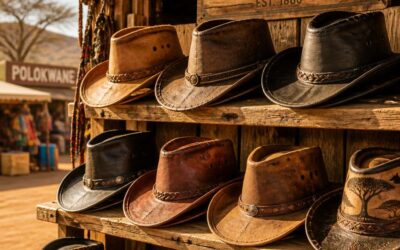
In a workshop outside Mahikeng, a hat maker still shapes felt over a century-old wooden block. Steam softens the wool, fingers coax the crown into its signature crease, and the brim is trimmed by hand. This is how western hats North West province built their reputation for durability.
The materials matter as much as the technique. Rabbit fur felt holds its shape through dust storms. Local straw breathes in the summer heat. Leather sweatbands mould to the wearer’s forehead.
- Felt maintains its crown structure after repeated soaking
- Straw blocks direct sunlight while allowing airflow
- Leather bands soften and personalise with age
I once watched a craftsman bend a finished brim completely flat. It sprang back without a crease! That is the standard here, achieved in about six hours of work. The western hats North West province produces carry this hands-on tradition.
Choosing the Perfect Western Hat for the Region
Understanding Different Hat Styles: Cowboy, Fedora, and More
Finding the right hat is a negotiation with the sun itself, a daily ritual of seeking shade in a land of copper and dust. Comfort is the primary law in this region, where the heat can be relentless and the wind carries a particular grit. The tallest crown of a classic cowboy hat offers the best shelter, keeping your head cool and your vision clear during long hours under the veld’s open sky. A Western hat in the North West province is not just an accessory; it is a tool for navigating the elements.
Yet, the style must speak to your personal terrain. Consider the different silhouettes and what they offer against the local landscape.
– The Cowboy: Defined by its high crown and wide brim, for maximum sun protection and a classic profile.
– The Fedora: A pinch-front crown and shorter brim, offering a more urban ease while still cutting a sharp line.
– The Gambler: A flat brim and crown, ideal for steady vision and a straight, uncluttered look.
– The Pork Pie: A discreet brim with a creased crown, for a quieter statement that still respects the weather.
The choice between a felt and a straw is also a matter of survival. A lighter straw weave breathes, allowing the hot air to escape while shielding you from the glare. Heavier felt stands firm against the cool of dawn, a more substantial presence for the shoulder seasons. Ultimately, the purpose is to find a hat that works as hard as you do, one that becomes a seamless part of your own shadow. Wear it long enough, and it will hold the shape of your life here, a silent testament to the time spent under this boundless sky, a true western hat for the North West province.
Material Selection for the North West Climate
Western hats North West province locals choose must cope with over 3,100 hours of annual sunshine. I once watched a cheap straw hat collapse into a flat disc after one November afternoon. The material must handle a scorching summer and a cold winter dawn.
Material selection depends on weave density and fibre type. A tight straw weave blocks sunlight but traps heat. A loose weave lets air move but invites red dust. Felt resists dust and cold, yet it turns sweaty above 30 degrees Celsius.
- Straw with a closed weave suits hot, windless days.
- Felt with a dense structure works for winter mornings.
- Leather offers durability but needs regular conditioning in this dry air.
For daily wear, western hats North West province residents rely on a balance between weight and breathability. A stiff felt crown holds its shape; a flimsy one droops by noon. Bend the brim before you buy. If it springs back, you are set. If it stays bent, you have bought a leather hat.
Sizing and Fit Considerations
Most hat shops see returns because buyers judge by the brim, not the band. Your head swells in heat and shrinks in wind, so measure fit in the late afternoon. For western hats North West province residents, the correct fit lets a hat sit one finger-width above your eyebrows. It should stay firm when you nod, yet slide off with a gentle tug. Crown depth matters as much as circumference. Consider these when trying on:
- Check for pressure points around the temples.
- Shake your head gently; the hat should not rotate.
- Run a finger between band and forehead; it should slide with slight resistance.
A tight fit causes forehead creases. A loose one turns into a kite on the first dusty breeze.
Matching Hat Shapes to Face Types
Somewhere between the Kalahari’s lip and the Magaliesberg’s shadow, the right hat reads as a personal signature. Most men and women in the province make the error of picking a hat based on its colour or the buckle on the band, when the true test is geometry. Your face shape dictates the crown height and brim width that will look deliberate rather than accidental. The flat, wide brim of a cattleman’s hat suits a longer face by adding horizontal mass. However, a rounder face calls for a telescope crown or a pinch front to create vertical lines. Ignoring this relationship is how you end up looking like a tourist at your own braai.
You are not just dressing for the mirror. The sun here is unforgiving, and the wind is a constant negotiator. The brim must offer shade without becoming a sail. Consider the practical dimensions as much as the silhouette.
– A 4 inch brim offers maximum protection but amplifies wind resistance on open bakkie rides.
– A 3.5 inch brim balances coverage and aerodynamics for everyday farm work.
– A rolled brim edges the hat closer to a fedora, which is a different cultural message entirely.
A high crown elongates a full face, but a low, creased crown balances a sharp jawline. When you shop for western hats North West province, hold the hat up to your reflection. The hat should not mimic the shape of your head; it should contrast it. A dramatic crease, such as the cutter or the Gus, offers a deliberate focal point. The goal is proportion, not convention.
Where to Buy Authentic Western Hats Locally
Specialized Hat Shops and Outfitters
Finding a genuine western hat in the North West province requires more than a casual browse at a chain store. Specialized outfitters in towns like Potchefstroom and Rustenburg stock authentic options, often crafted by local artisans who understand the region’s heat and dust. These shops offer a curated selection, from felt to straw, with proper fitting advice.
When visiting a specialist, ask about their hat conditioning services. A good shop will also have a range of hat bands and grooming tools.
Consider these markers of a reputable outfitter:
- They display hats from known South African makers
- Staff can adjust the shape without damaging the brim
- They stock hat care products suited for semi-arid climates
The best western hats North West province buyers trust come from places where the owner wears one daily. You will find that personal experience makes all the difference.
Markets and Artisanal Vendors
Saturday markets across the North West province carry an urgency that chain stores lack. Shoppers hunting for western hats North West province often overlook these stalls, yet the encounter is immediate and personal. In Mafikeng and Klerksdorp, vendors lay hats on trestle tables, each one carrying the maker’s mark. You can watch a craftsman shape a crown while you wait, which alters how you value the object.
The exchange here runs deeper than payment. Many vendors take commissions, and they know leather and felt in ways that retail staff seldom do. Look for stalls that ask about your daily habits, your work, your hours under the sun. That question signals a maker who understands function. A reliable vendor also offers repairs later, a commitment that holds after the sale. When you buy from these markets, you carry a piece of the maker’s judgment on your head.
Online Retailers with Local Delivery
While the Saturday markets hold their own allure, the digital landscape for western hats North West province has matured considerably. Online retailers now offer a form of certainty that is difficult to replicate under a tent. The advantage lies in the ability to scrutinize a felt’s density or a leather’s temper before you commit, though you must rely on high resolution imagery and precise descriptions. These platforms often carry a wider range of sizes, particularly for those needing a longer oval fit.
A significant consideration for the local shopper is the promise of local delivery. Several established outfitters based in Gauteng now ship directly to Mafikeng or Rustenburg within two business days, eliminating the guesswork of international shipping. This proximity also simplifies returns, a factor that should shape your decision. When vetting these digital storefronts, look for a few specific indicators:
– A clear, upfront policy on exchanges for sizing issues.
– Detailed specifications on crown height and brim width.
– Images that show the hat from multiple angles, including the band and inner sweatband.
This method of purchase suits the deliberate buyer. You are not just acquiring an object; you are sourcing a specific answer to the climate and your own needs. Seeking out a retailer that has a physical presence in the province, even if it is a repair depot, adds a layer of accountability. The SA Hat Makers Directory is a useful starting point for verifying which online sellers genuinely understand the material demands of the region, and which are merely dropping a generic product into a box.
Custom Hat Makers and Workshops
For those who seek a hat that refuses replication, custom workshops across the North West province offer something retail cannot. A hatter in a small studio outside Klerksdorp will measure your head with calipers, discuss your riding habits, and shape a crown that answers specifically to you. This is a collaboration, not a transaction.
Custom makers understand the heat. They work with rabbit felt and beaver blends that breathe. When commissioning western hats North West province, look for specific capabilities. A workshop that steams and blocks on site will always outperform one that merely assembles.
Consider these points before you commit:
- Turnaround time, usually three to six weeks
- Whether the hatter offers reblocking and reshaping services
- If they source materials locally or import them
A custom hat is an investment in fit. The right workshop will ask you about your daily life before they ever touch the felt. That conversation is worth the wait.
Caring for Your Western Hat in North West Province
Cleaning and Maintenance Tips
The desert air of the North West province is deceptive. It feels dry and clean, but every breeze carries a fine, abrasive grit that settles into the weave of a felt hat and scratches the finish of a straw one. If you spend weekends on a farm near Lichtenburg or evenings at a braai in Potchefstroom, you will notice the dulling of your hat’s surface long before the season changes.
Dust is the primary enemy, and it requires a specific response. Do not use a wet cloth, as moisture will cause the felt to shrink or lose its shape. A soft, natural bristle brush is your primary tool. Holding the hat by the brim, brush counterclockwise, lifting the dust rather than pushing it into the fibres. For straw hats, a gentle wipe with a dry microfiber cloth often suffices to remove the powdery residue.
Sweat is the other persistent challenge. The heat of the province makes a leather sweatband a necessity, but that leather absorbs oil and salt. Consider a routine of wiping the inside band with a slightly damp cloth every few weeks.
For stubborn stains or sweat marks that have already formed, try a mixture of cornstarch and water applied sparingly. Allow it to dry completely before brushing it off. If the hat loses its stiff shape or the brim flops, steaming is the remedy, but it is a risky one. Use a kettle and keep the spout at a distance to avoid water droplets spotting the crown. The goal is always to restore the structure that makes a western hat an effective shield against the regional sun. A hat that is clean and well maintained will last for a decade, while a neglected one will warp within a single harsh summer.
Weather Protection and Storage
The North West sun is unforgiving, yet most hat damage happens indoors. I have seen western hats ruined by a single afternoon in a car boot. A western hat left on a car seat will warp its brim within an hour. Always store it on a hat stand or a rounded surface. If you must pack it, stuff the crown with clean cloth to hold its shape.
Rain is rare in this province, but sudden downpours occur. If your hat gets soaked, never force it dry with heat. Let it air dry at room temperature, upside down on its crown. That protects the leather sweatband.
- Keep hats out of direct sunlight when storing
- Use a breathable cotton bag for travel
- Do not hang hats by the brim
These simple habits preserve the structure for years. western hats North West province require this small discipline, but the reward is a dependable tool against the sun.
Extending the Life of Your Hat
A single hat, worn daily beneath the North West sun, will outlast a dozen forgotten ones if you treat its structure with respect. The leather sweatband absorbs the oils and salts of your skin daily. This is the first component to fail. Wipe that band with a dry, soft cloth after every wearing. This single act prevents the leather from becoming brittle and cracking. When the band dries, it pulls the entire crown out of shape.
Your hands hold the key to the hat’s longevity. Always grip the brim at its front and back, never the crown. Pulling the crown flattens its dome and distorts the crease you have carefully set. If you carry it by the brim, the weight distributes evenly. The crown will keep its cant and curve for years. This small discipline becomes a habit, and the habit shapes how the felt ages.
- Rotate your hat between seasons, giving the felt time to relax and release moisture.
- Use a soft horsehair brush to sweep dust from the crown in a counter-clockwise motion.
- Store the hat upside down on its crown to let the brim keep its natural swoop.
The western hats North West province demand a certain rhythm of maintenance. The heat of this region causes the felt to expand and contract, which is natural. A hat that is worn constantly without rest becomes tired. The crown softens, the brim waves. Allow it to rest for a full day after a long week. This respite lets the fibres settle back into their original weave. The result is a hat that keeps its silhouette.
Weather here is a constant conversation, but the hat’s true enemy is neglect. A hat that is handled gently, wiped clean, and given space to breathe will continue to protect you. The investment returns in quiet service. The felt, the band, and the stitching all work in harmony. Your role is simply to remove the debris of the day. After that, you let the hat do what it was made to do, which is to stand between you and the merciless sky.
When to Re-Shape or Re-Brim
There comes a moment when careful maintenance reaches its limit. The felt no longer holds its shape. In the western hats North West province climate, this happens faster. Ultraviolet exposure breaks down the stiffener inside the felt. The crown refuses to hold its crease. The brim ripples on a flat surface.
Re-brimming is a separate decision. It replaces the stiffening agent inside the brim edge. This is not a repair. It is a transformation.
Watch for these signs:
- The brim no longer returns to shape after being bent
- The crown collapses even after re-steaming
- The hat wobbles when placed on a table
A skilled hatter re-blocks the crown with steam and a wooden form. Re-brimming takes longer, sometimes two weeks, because the new stiffener must cure slowly. The result for western hats North West province, I have found, is a different silhouette. It continues the relationship you have already built.
Styling Western Hats for Local Events and Seasons
Pairing Hats with Traditional and Modern Outfits
At any event across the North West province, the hat arrives before you do. That first impression lingers, and it sets the tone for the entire gathering. Choosing western hats North West province for a summer wedding or a winter stock fair requires reading the occasion as much as the forecast.
For traditional ceremonies, a felt hat with a curved brim pairs well with a tailored suit or formal dress. The finish should be understated. For modern gatherings like outdoor markets or evening braais, leather bands and lighter straw textures carry a looser energy without losing polish.
Consider the season’s practicalities:
– Summer rains demand a hat that can take a sudden shower.
– Dry winter mornings call for wool felt that holds its shape against the wind.
A successful pairing matches the weight and tone of the hat to the outfit and the moment.
Hat Etiquette at Rodeos, Festivals, and Gatherings
At a cattle auction in Lichtenburg, the unwritten code of hat etiquette becomes clear: remove your western hat inside the ring, keep it on under the open sky, and never place it brim down on a table. These small gestures shape how locals perceive you! For seasonal styling, choose a lighter weave for summer festivals and a dense felt for winter rodeos. The event dictates the tilt and the band. A formal gathering calls for a smooth crown; a lively braai allows a battered edge.
- At weddings, position the hat with a deliberate shadow over the brow.
- At markets, let the hat sit naturally, unadjusted.
The western hats North West province residents wear are never passive accessories. They announce respect or rebellion before a single word passes.
Seasonal Adaptation: Rainy Season vs. Dry Season
Styling Western Hats for Local Events and Seasons
Many locals claim the real test of a hat is not the mirror, but the first summer downpour. The rainy season in the North West, stretching from November to March, demands a strategic approach. A dense felt hat offers superior protection, but it requires patience, as moisture can distort the brim if handled too roughly. For these months, I always recommend a hat with a wider brim to channel water away from the collar. Those who favour leather hatbands should swap them for a simple cord during this time, as leather absorbs humidity and can stretch.
When the dry season arrives, the landscape turns golden and the heat becomes a tangible presence. Lightweight straw or a breathable palm leaf weave is the only sensible choice for many locals. The style shifts here.
– Choose a natural colour to reflect sunlight effectively.
– Wear the hat slightly higher on the brow to allow air circulation.
– Keep a softer crown shape for practical, everyday wear.
The western hats North West province residents favour during winter are a different entity entirely. A heavier felt, sometimes in earth tones, provides warmth during those crisp mornings. The adjustment between the two seasons is not merely practical, it changes the silhouette of the entire outfit. Dust on a dry-season hat is a badge of honour. A damp ring on a winter felt is a sign of poor planning.


0 Comments